Every roster needs a head of brand partnerships.
Now yours has one.
Prism works like the best partnerships executive in the business. He studies your artist’s fans, finds the brands that need exactly those people, and hands you the pitch, the price and the first email.
10+ brands per artist. Matched, priced and pitch-ready.
Everything you need to land the meeting, present the deal and close it.
The thesis
A high follower count doesn’t close deals. Your audience’s story does.
Brands aren’t paying for a number. They’re paying for people they can’t reach on their own: the fans who show up, give their artist a name, copy their style and wear what they wear. A one-sheet and a press kit get you read. Prism adds what they leave out: who those fans are, why this brand needs them, and what a fair deal looks like.
Prism reads an artist’s whole digital footprint. That means each social platform on its own terms, plus press, search, streaming and chart data, and the wider web. He finds the groups inside your audience and matches each one to the brands that want it. He checks the deals already on public record, so you don’t pitch a brand your contracts may rule out. Then he tells you what each brand should fairly pay, and your team sets the final number.
Keep reading ↓The short version ↑
Before this page went live, Prism worked up three artists: Asake, Uncle Waffles and Rema. Each came back with ten or more brands to call, what each should pay, and the email to open with. For Asake alone, that’s about $2.2 million in fair market value across ten brands.
Your fans were always the asset.
Now you can prove it to a brand.
Prism turns
your community
into your equity.
He finds the right partners while you make the music.
Prism is your head of brand partnerships. Give him your artist, or your whole roster, and he tells you who the fans really are, what they do and what they buy. He comes back with the brands that fit them, the idea to pitch each one, what each deal should be worth, and which brands your current contracts already rule out.
Prism
Brand Partnerships
How he works
Six questions he answers before you pitch.
Open any one to see what he looks at and what the team gets back.
01Who the fans really areGoes beyond the demographics and analytics every artist already gets: the groups inside the fan base, in their own words, and how fans differ on Instagram, X and TikTok.+
- Input
- Public comments, replies and profiles on each platform
- Decision
- Which groups are real, and how sure he is
- Output
- Named fan groups, with what a brand can and can’t say to each
02Why nowSpots the pivotal moments your artist is having right now, a release, a tour, a cultural moment, that give a brand a reason to move.+
- Input
- Releases, tour dates, cultural moments, what’s rising on each platform
- Decision
- Which of those moments the artist’s fans actually care about
- Output
- A dated reason to call each brand
03Which brands fit, and whyA shortlist of ten or more brands in three tiers, each with the reason it fits these fans.+
- Input
- Fan behavior, each category’s players, what brands are doing in public
- Decision
- Which brands the evidence supports
- Output
- A ranked shortlist, with the reason behind every brand
04What your deals already blockChecks every public deal, so you never pitch a brand your contracts rule out, or accept a deal you can’t honor.+
- Input
- The public record of past and current deals and campaigns
- Decision
- Which categories are taken, which are open, and what still needs a call
- Output
- A clear list of what’s taken, with the questions for your team and lawyer
05What to pitchTurns what fans already do and buy into a campaign a brand can invest in.+
- Input
- What fans do and say on each platform
- Decision
- Which idea a brand can back without it feeling forced
- Output
- Named campaign ideas, one for each brand
06What it’s worthEstimates what each brand should fairly pay you, from comparable deals.+
- Input
- Comparable deals, show fees, creator rates, territory and usage
- Decision
- A fair range your team can test. Never a price on the artist
- Output
- Fair market value per brand, labeled as an estimate
“I use Prism to map our audience’s consumer habits for sponsors. The data proved our audience was a tech brand’s exact target customer, helping us secure a major deal in our first month.”Illustrative · Partner & Talent Manager · Los Angeles
Brief to pitch
What the customer gets back.
Ten or more brands per artist, each with a reason, an idea, a fair price and an email ready to send.
- 01Hand him the rosterThe artist, the markets they care about, and how big they want to go.
- 02He reads each platformEach platform read on its own (Instagram, X and, where the artist is active, TikTok): the posts, the comments and who is in them, never blended into one number. Every brand deal on the public record is noted, so no pitch runs into an existing contract.
- 03He reads the audienceThe groups inside the fan base, named in their own words, and a score for how hot the artist is with brands right now.
- 04He builds the shortlist10+ brands in three tiers, each with the reason it fits, an activation idea and its fair market value, checked against the deals already signed.
- 05He grades every claimEvery claim carries a label for how sure we are. Anything that doesn’t hold up is cut, and the whole report is fact-checked before it goes out.
- 06The plan comes backA report on each artist, a 90-day plan, a risk list and an opener for each brand, drafted for their team to send.
- 07Their team approvesNothing moves without sign-off.
The reports
Prism’s first three reports: Asake, Uncle Waffles, and Rema.
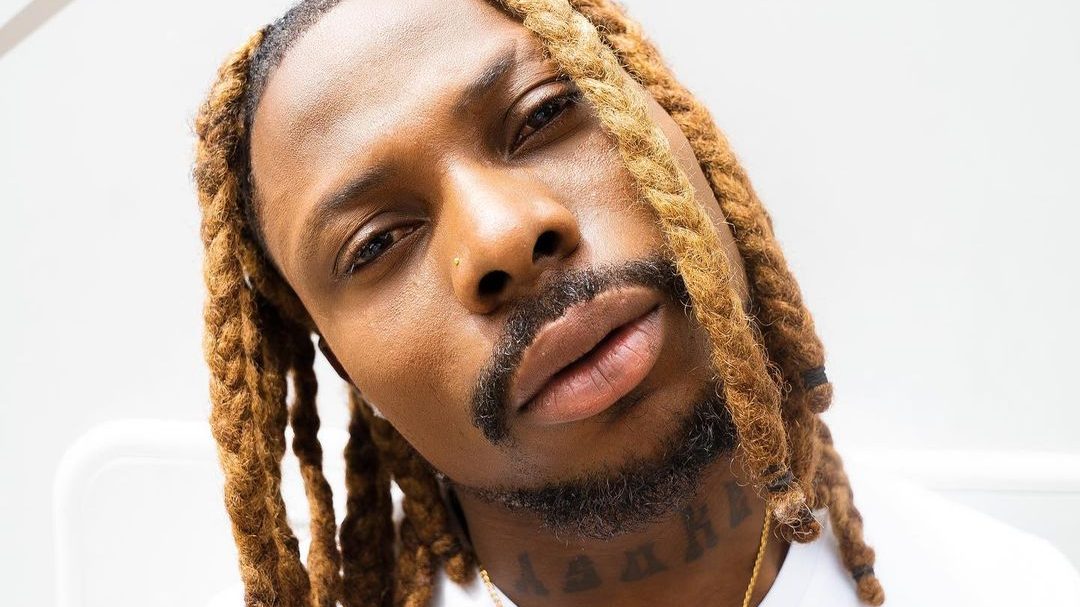
≈ $2.2M
Fair market value · 10 brands · most likely
Range $1.19M–$5.25M
A naming system
His fans call him M$NEY. For a bank or a fintech, the campaign is already written.
See report →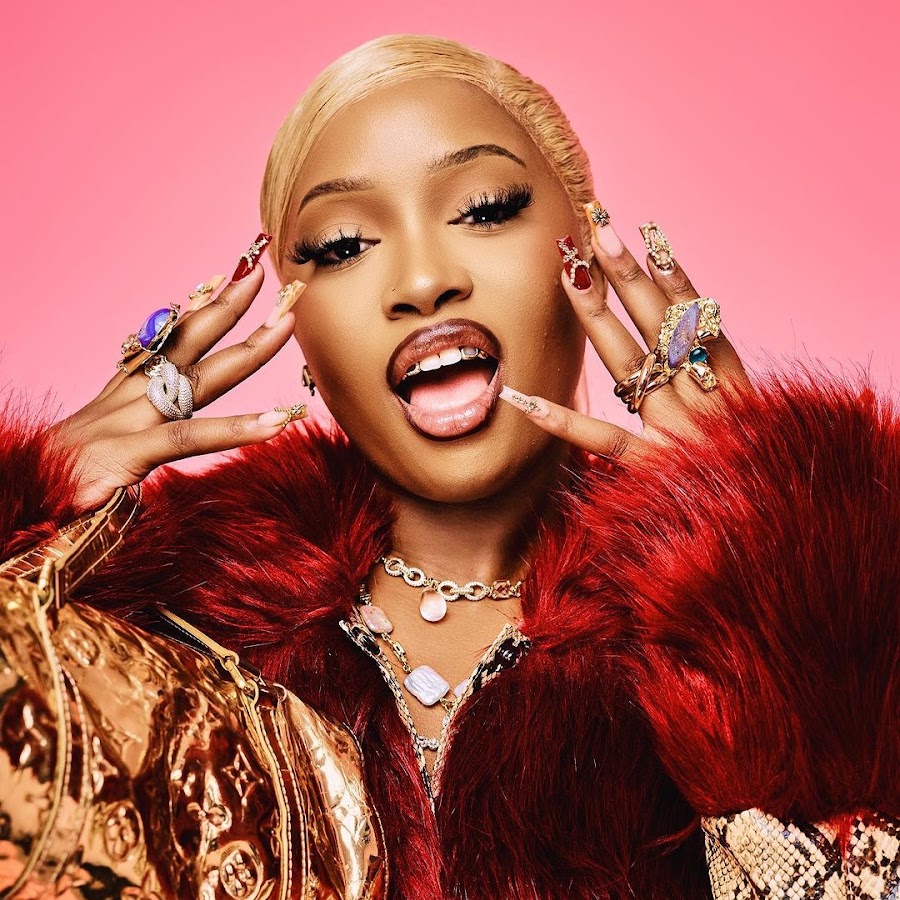
≈ $990K
Fair market value · 10 brands · most likely
Range $470K–$4.2M
A standing community
One in five people in her comments is a verified account. The industry checks in with her every week.
See report →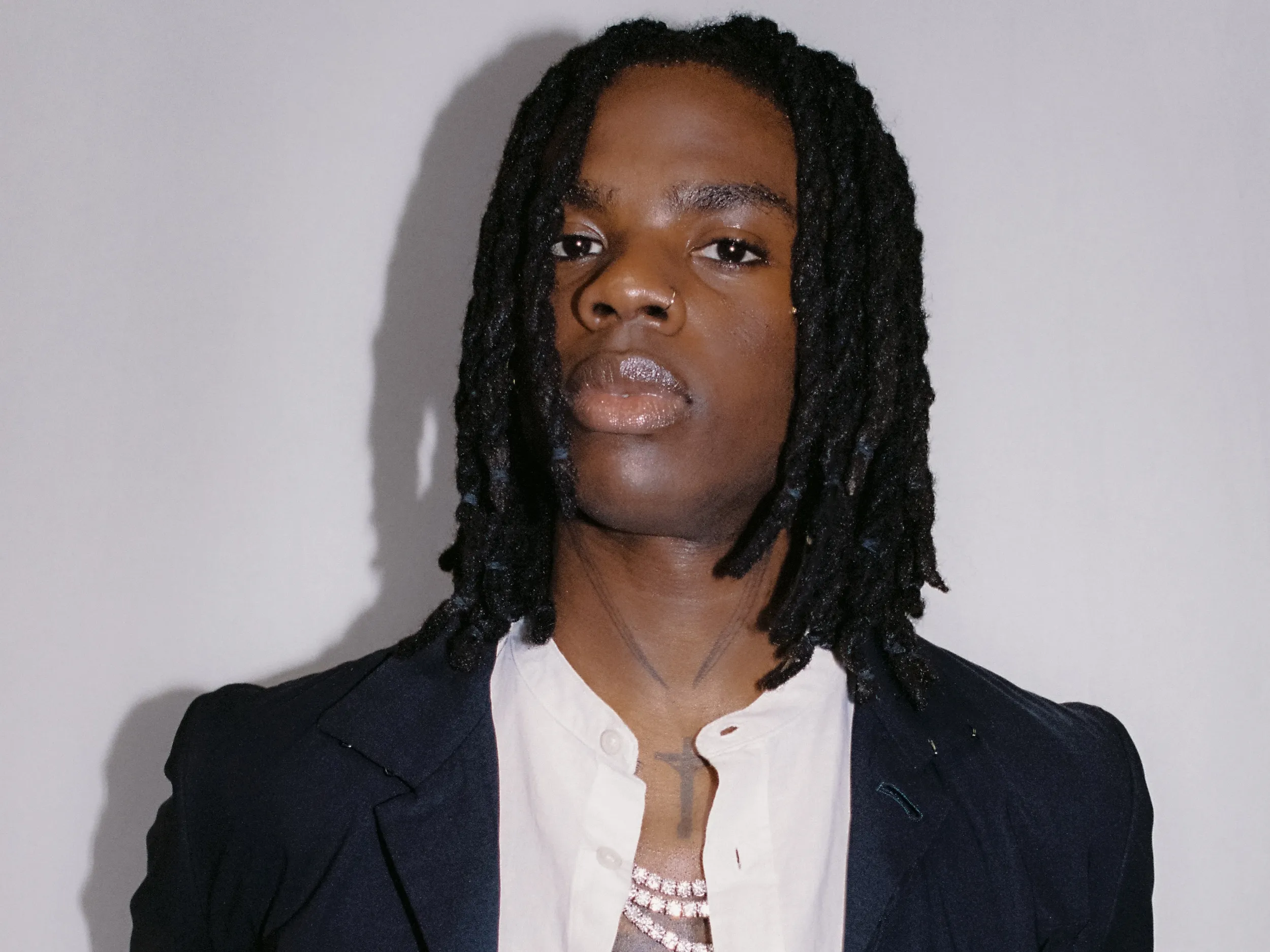
≈ $2.44M
Fair market value · 10 brands · most likely
Range $1.64M–$6.21M
A global name, underpriced
FIFA picked his song as the official World Cup anthem. Brands can sign a global name now, before the next album raises his price.
See report →Questions
Asked and answered.
What does Prism actually do?
He reads an artist’s audience, finds the brands those fans already spend with, checks for conflicts with existing deals, designs the idea, and prices it. Your team gets a ranked list of who to call, what to propose, and what to leave alone.
Who is Prism for?
Artists and the teams around them: managers, business affairs, and whoever takes the brand meeting. Every report is written for the people who have to make the call.
Where does the evidence come from?
Public comments, replies, and profiles, read platform by platform. Public brand activity and category history. Comparable public deals for pricing. No private data and no contact lists.
How do you know it’s right?
Every number is tested before a brand sees it. A theme the evidence can’t support is dropped, not softened into vague copy. A brand has to be earned from the evidence, never planted as a favorite. Each platform is read on its own terms. Fees are worked out from comparable deals, show fees and creator rates, and labeled as estimates. Every report is fact-checked before delivery, and nothing goes out until your team, and counsel where needed, signs off.
Why keep Instagram, X, and TikTok separate?
Because they’re different crowds. For Uncle Waffles, Instagram is the industry, X is a South African crowd, loudest about football, and TikTok is people who want the outfit. Averaging them invents an audience that doesn’t exist.
Why doesn’t Prism use engagement rate?
Because it can’t be derived honestly from public evidence. Reach numbers aren’t reliable enough to divide by, so the result looks precise and means nothing. Prism shows who the fans are instead.
What do Confirmed, Indicated, and the other labels mean?
Confirmed: several independent sources agree. Indicated: clear in what we read, from a limited sample, so treat it as likely, not certain. Detected: seen only a few times, so check it before you act on it. Estimate: worked out from comparable public deals, not an offer or a quote. Open item: still unresolved, and checked before anything is built on it.
Are the brands real?
Yes. Real companies, real category activity, real reasons to call. No “brands that might like you.” Every target carries the evidence for the fit and the conflicts that could kill it.
Does Prism put a number on each deal?
Yes, as fair market value: what each brand should fairly pay you. Prism works it out three ways (comparable deals, your show fee times the days the deal needs, and creator rates times the posts) and uses the middle answer. It’s labeled an estimate, it isn’t a commission, and your team sets the final number. Anything Prism can’t evidence is marked as an open item.
What does “Clear” mean on a conflict check?
No conflicting public evidence found. It never means no deal exists. Every Clear gets verified with your representatives before a pitch goes out.
Does Prism contact brands for me?
Not on his own. Prism drafts the opening emails, and your team edits them and sends them under its own name. ASON also offers outreach as a separate, optional service. Nothing goes out without your sign-off.
Who sees my deal terms?
Your team. Each artist’s numbers stay in that artist’s report, and Prism never puts one artist’s private terms in another artist’s report.
Your pipeline is waiting.
Put Prism on your roster.
Hand him your roster. Get back the brands to call, what to ask each one for, and the ones to leave alone.
Or email build@ason.solutions